

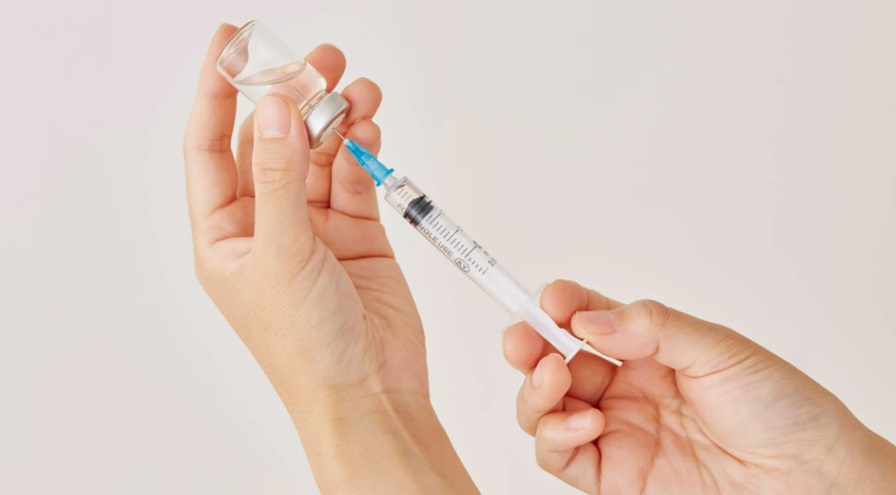
For individuals struggling to lose weight through diet and exercise alone, medical assistance can offer a structured and effective path forward. One increasingly popular option is injectable weight loss treatments. These physician-supervised injections are designed to support metabolism, control appetite, and enhance fat loss in conjunction with a broader health plan. For residents exploring weight loss injections in Lawrenceville, understanding both the advantages and potential drawbacks of this approach is essential to making an informed decision.
What Are Weight Loss Injections?
Weight loss injections involve the use of medications—administered via subcutaneous or intramuscular injection—that assist in burning fat, reducing cravings, or improving energy. These injections may include lipotropic compounds, appetite suppressants, or hormone-based treatments that target the body’s metabolic functions.
Before beginning any injectable regimen, a licensed medical provider evaluates each patient’s medical history, current weight, and lifestyle habits. Based on this assessment, they may recommend a personalized injection protocol combined with dietary and activity guidance.
Learning about the types of weight loss injections available can help patients identify which treatment aligns best with their goals. Commonly used options include B12 shots for energy, lipotropic injections to accelerate fat metabolism, and GLP-1 receptor agonists that regulate appetite and blood sugar.
Benefits of Weight Loss Injections
One of the main benefits of weight loss injections is their ability to support quicker results than lifestyle changes alone. While these injections are not a cure-all, they can significantly improve motivation and jump-start progress, particularly for individuals who have hit a plateau or struggle with metabolic resistance.
Other advantages include:
- Improved metabolism: Certain injections enhance the body’s ability to burn fat more efficiently.
- Appetite control: Some compounds help reduce hunger or cravings, making it easier to stick with calorie goals.
- Energy enhancement: B12 and similar nutrients support better energy levels, which can encourage more consistent exercise.
- Professional supervision: Because they are prescribed and monitored by healthcare professionals, injections are part of a medically guided strategy that prioritizes safety.
In addition to physical benefits, many patients experience a psychological boost from seeing measurable progress early on. This can provide the encouragement needed to stay committed to long-term health improvements.
Potential Risks and Considerations
Despite their benefits, weight loss injections are not without risks. Side effects can vary depending on the type of injection and individual health factors. Some common concerns include:
- Digestive issues: Nausea, constipation, or diarrhea may occur, particularly with hormone-based injections.
- Injection site irritation: Redness, swelling, or bruising can occur at the point of administration.
- Metabolic changes: Some treatments may alter blood sugar levels, requiring close monitoring for individuals with diabetes or prediabetes.
- Nutrient imbalances: Rapid weight loss or prolonged use of certain injections may affect vitamin and mineral levels.
Long-term use without medical oversight may also pose health risks, which is why consistent check-ins with a healthcare provider are essential. Proper dosage, duration, and integration with a full weight management plan are necessary for maintaining safety and effectiveness.
Who Should Consider These Injections?
Weight loss injections are generally recommended for individuals with a body mass index (BMI) over 30 or those with weight-related health conditions like hypertension, sleep apnea, or insulin resistance. However, they are not intended for cosmetic use or for individuals seeking short-term solutions.
Patients must be committed to making lasting changes, including improvements in diet, exercise, and lifestyle habits. Injections should be seen as a tool—not a replacement—for healthy living.
Conclusion
Weight loss injections offer a promising option for those who need extra support in their weight reduction journey. When used responsibly under medical supervision, they can enhance results, improve motivation, and aid in overcoming metabolic obstacles. Understanding both the benefits and the risks ensures that individuals can make confident, informed decisions as part of a broader commitment to long-term health and wellness.
