

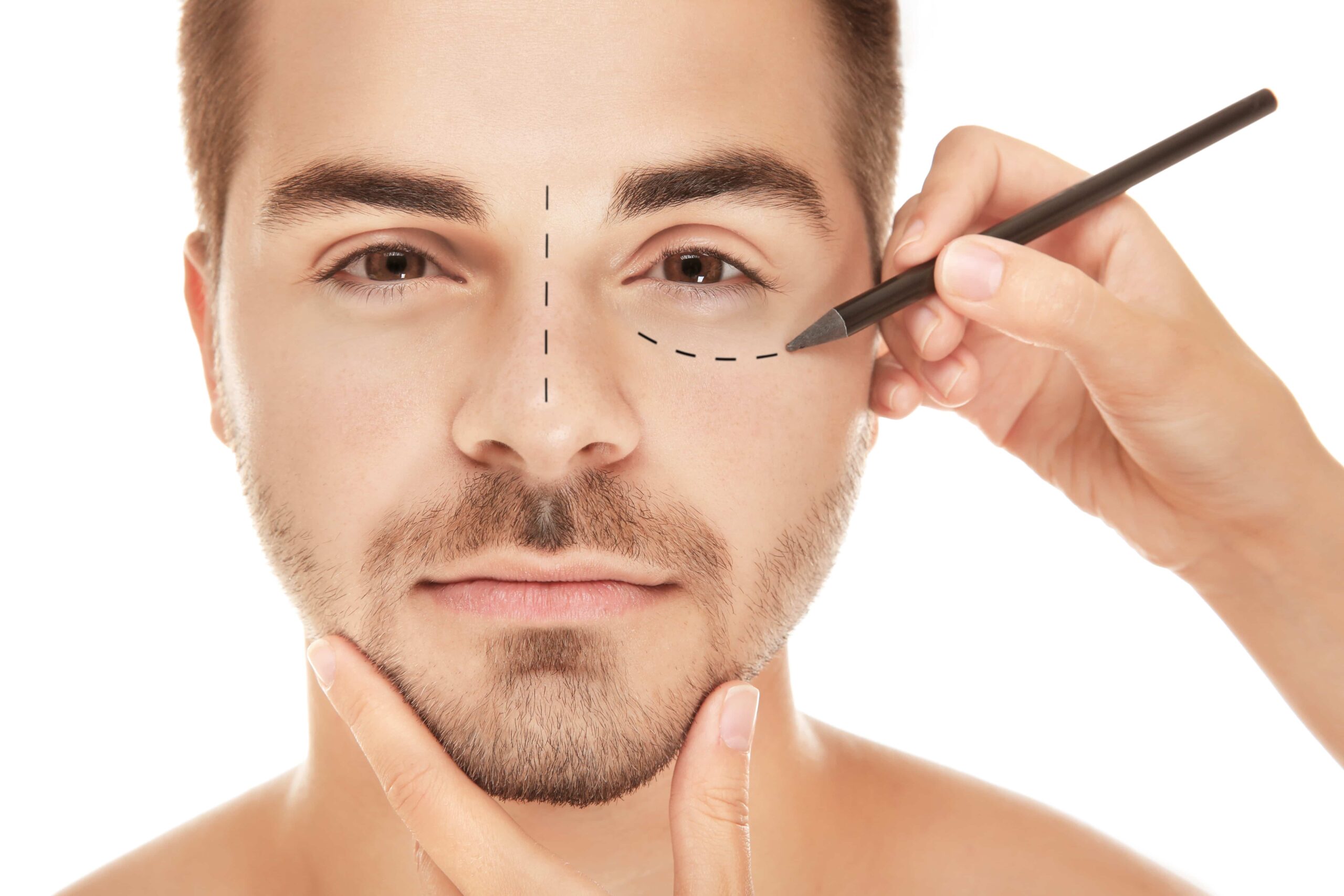
Across Chicago’s professional circles and creative neighborhoods alike, more men are pursuing subtle, confident enhancements rather than dramatic makeovers. Chicago Male Blepharoplasty—eyelid surgery designed specifically for masculine facial features—sits at the center of this shift.
The procedure refreshes tired or aged eyes, addresses heavy upper lids and under-eye bags, and preserves a natural, not “done” appearance.
Consider this Chicago Male Blepharoplasty guide a clear look at why demand is rising, how the surgery works, which concerns it targets, and what recovery realistically involves.
For those browsing before-and-after galleries, it’s worth taking time to View all results from reputable Chicago practices to understand the range of achievable, natural-looking outcomes.
The rise of cosmetic surgery demand among men
Men’s aesthetics have steadily entered the mainstream over the past decade, but the acceleration since 2020 is hard to miss. Video meetings, high‑resolution headshots, and longer, healthier careers have pushed appearance into everyday professional life. In cities like Chicago, where finance, law, tech, and hospitality are competitive, men increasingly view eyelid rejuvenation as practical grooming rather than vanity.
Surveys from major specialty societies have consistently placed eyelid surgery among the most common procedures for male patients, often alongside rhinoplasty and liposuction. While exact figures vary year to year, male procedures routinely account for roughly 10–15% of cosmetic surgeries in the United States, and blepharoplasty remains a top request in that group. In urban practices, clinicians report more men in their late 30s through their 60s asking for small, strategic changes that help them look awake, approachable, and well-rested, without altering identity.
What’s changed culturally? Three forces:
- Performance mindset: Wellness, sleep, skincare, and fitness have gone mainstream for men. Eyelid surgery fits that performance toolkit, subtle, efficient, and long‑lasting.
- Photographic scrutiny: High-definition cameras spotlight under‑eye puffiness and upper-lid hooding. Men notice the “tired” cue in photos even when they feel fine.
- Acceptability: From athletes to executives, men talk more openly about self-care. A natural result no longer raises eyebrows: it reads as good maintenance.
Within this context, Chicago male blepharoplasty is less about changing how someone looks and more about correcting a mismatch between energy felt and appearance projected.
Surgical techniques used in male blepharoplasty
Male eyelid surgery prioritizes restraint and structure. The goal is to refresh the eyes while preserving masculine anatomy: a lower upper‑lid crease, a flatter brow arch, and a firm, crisp lid margin without hollowing.
Upper blepharoplasty: sharpen, don’t sculpt away
- Conservative skin excision: Surgeons remove only redundant skin that folds over the lash line or hides the tarsal platform. Over-resection can feminize or cause difficulty closing the eye.
- Fat contouring, not stripping: The medial and central fat pads can be reduced or reshaped to soften bulges, but aggressive fat removal risks a hollow, sunken look. Modern technique favors fat preservation.
- Crease respect: Men typically have a lower, more subtle supratarsal crease (often around 6–8 mm in many patients, depending on ethnicity). The incision placement honors that anatomy to avoid a high, arched lid that reads feminine.
Lower blepharoplasty: smooth the transition, keep it masculine
- Transconjunctival approach: For many men with good skin quality, fat can be repositioned through an incision inside the eyelid. This avoids an external scar and helps correct under‑eye bags by filling the tear‑trough hollow.
- Fat transposition: Rather than discarding fat, surgeons often release the arcus marginalis and slide fat over the orbital rim, creating a gradual cheek–lid junction.
- Skin pinch or laser: When mild excess skin is present, a subtle “skin pinch” via a subciliary incision or fractional CO2 laser resurfacing can refine texture and fine lines.
- Lateral canthal support: Canthopexy or canthoplasty may be added to protect eyelid position and prevent rounding of the outer corner, especially important for a firm, masculine eye shape.
Adjacent considerations for Chicago male blepharoplasty
- Brow position: True brow ptosis can mimic upper‑lid heaviness. Some men benefit from a conservative brow lift or non-surgical neuromodulators to stabilize brow shape without an over-arched look.
- Ethnic and anatomic nuance: Techniques are tailored for diverse facial structures common in Chicago’s population. In Asian blepharoplasty, for example, crease creation or refinement is approached with cultural and anatomical respect, avoiding over-definition.
- Anesthesia and setting: Many cases are performed under local anesthesia with sedation in an accredited outpatient setting. The choice depends on the extent of surgery and patient preference.
The unifying theme is subtlety: refine contours, preserve function, and protect the masculine framework.
Common concerns addressed by eyelid surgery
Eyelid aging shows up early for many men and can feel out of step with their energy level. Male blepharoplasty is designed to address the most frequent complaints while keeping results understated.
- Heavy, hooded upper lids: Redundant skin can drape over lashes, obscure the upper-lid platform, and contribute to a stern or fatigued expression. Removing the excess restores a visible crease and a cleaner lid margin, often improving peripheral vision when hooding is significant.
- Under‑eye bags and puffiness: Protruding fat pads create a persistent “tired” cue, even after good sleep. Repositioning fat smooths the lid–cheek junction and reduces puffiness without hollowing.
- Tear trough hollows and shadows: When hollowing drives the “dark circle” look, transposition of fat or a later touch of hyaluronic acid filler (once healed) can soften the groove that catches overhead light.
- Asymmetry: Most faces have side-to-side differences. Blepharoplasty can fine-tune asymmetric folds, fat bulges, and lateral hooding.
What it doesn’t fully fix:
- Dynamic crow’s feet from smiling typically respond better to neuromodulators.
- Pigment-based dark circles need skincare, laser, or chemical peels.
- True brow droop requires brow-focused treatment.
- Midface descent and prominent malar bags (festoons) may call for broader midface strategies.
In practice, Chicago male blepharoplasty is often the anchor procedure in a minimal plan that might include resurfacing, light fillers, or neuromodulators for a cohesive yet natural result.
Cultural acceptance of male aesthetics in 2025
By 2025, “maintenance, not makeovers” has become the male aesthetics mantra. The stigma that once surrounded men seeking cosmetic care has melted into a wider conversation about wellness, confidence, and professional longevity.
Three shifts underpin this acceptance:
- Visibility without spectacle: Colleagues notice when someone looks rested: they don’t necessarily notice why. Blepharoplasty excels here because results are subtle and age-appropriate.
- Realistic expectations: Men increasingly ask for conservative changes that preserve character. Surgeons highlight before-and-after sets, many prospects will literally hit “View all” in galleries, to calibrate expectations.
- Discretion and design: Practices now tailor environments for male patients: low-key consultations, flexible scheduling around work or travel, and treatment plans that prioritize minimal downtime.
The outcome is a stable cultural footing where male eyelid surgery is considered as normal as orthodontics or LASIK, capable of improving comfort and confidence without broadcasting a procedure.
