

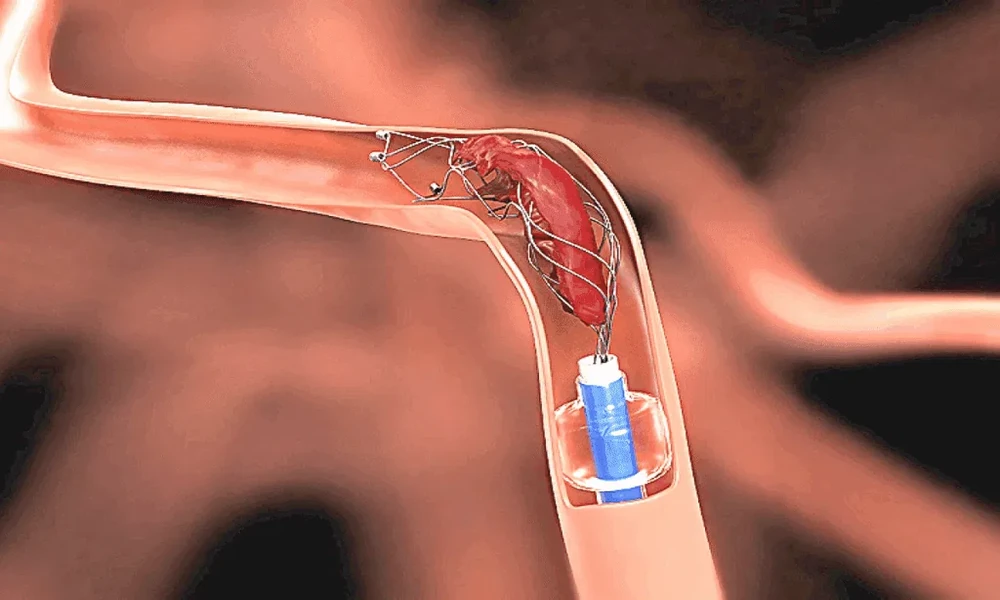
A report describing 90 percent heart blockage usually refers to severe narrowing in part of a coronary artery. It is a serious finding, but the percentage alone does not determine the complete treatment plan. Current guidance on chronic coronary disease recommends patient-centred treatment based on symptoms, anatomy, heart function, medical conditions and the expected benefits and risks of medicines or procedures.
The location of the narrowing matters. A severe blockage in a major artery may have different implications from one in a smaller branch.
Doctors also consider whether one artery or several arteries are affected. The overall pattern may change the choice between medicine, angioplasty and bypass surgery.
Symptoms are important. Some people develop chest pressure during activity, while others may have breathlessness, unusual tiredness or few obvious symptoms.
A lack of pain does not prove that the finding is harmless. Diabetes and nerve problems can sometimes reduce the usual warning sensations.
Heart-pumping function may be assessed with an echocardiogram. Blood tests, ECG findings and other imaging may provide additional information.
An angiogram shows the structure of the coronary arteries. In selected cases, further measurements may help doctors understand whether the narrowing is seriously limiting blood flow.
Treatment may include medicines that reduce clotting risk, lower cholesterol, manage chest discomfort, control blood pressure or address diabetes. Each medicine has a particular purpose.
Some patients need angioplasty and a stent. Others may be advised to undergo bypass surgery, particularly where several major arteries are affected or the anatomy is complex.
Lifestyle care remains important whichever treatment is chosen. Stopping tobacco, taking medicines correctly, eating a balanced diet, managing diabetes and blood pressure, and attending cardiac rehabilitation can support long-term risk reduction.
Complementary care should not be described as a guaranteed way to clear a 90 percent blockage. It should not delay an urgent procedure recommended by a cardiologist.
A second medical opinion may be reasonable when the situation is stable and the patient wants to understand the options. It should not delay emergency treatment when symptoms are active.
Madhavbaug provides information about its monitored heart-care approach. Readers can find general information about its clinics and services through Madhavbaug.
Call emergency services for chest pressure, severe breathlessness, sweating, fainting, sudden weakness or pain spreading to the arm, jaw, shoulder or back.
The treatment of a severe coronary narrowing requires assessment by a qualified cardiology team. Online information cannot determine whether a procedure is needed.
