

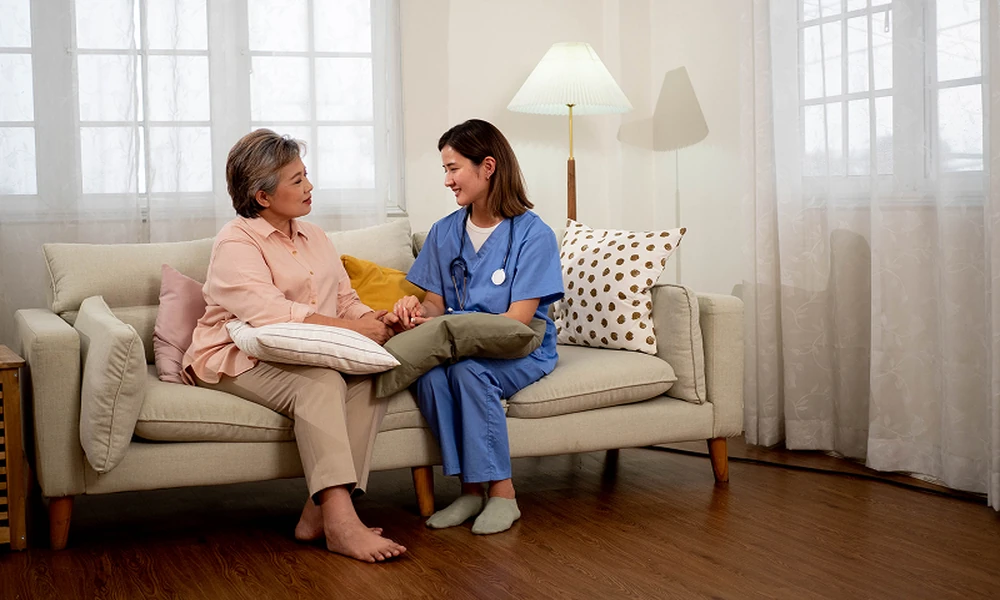
Watching an ageing relative lose their physical mobility or cognitive independence presents one of life’s most emotional challenges. As daily activities, such as preparing meals, bathing, or managing medications, become increasingly difficult, family members quickly realise that informal support is no longer enough. You face a major decision: should you help your relative transition into a dedicated residential nursing home, or arrange professional support within the familiar comfort of their own house?
Every family faces unique health needs, living arrangements, and financial considerations. Evaluating the key differences between home-based assistance and residential care, with the help of a caregiver agency in Singapore, will help you make a compassionate, well-informed choice for your loved one’s golden years.
Ageing in Place: The Emotional Comfort of Remaining Home
For seniors, remaining in their own home offers immense psychological comfort. Moving into an unfamiliar facility can cause disorientation, anxiety, and a sudden loss of personal dignity, particularly for individuals experiencing early-stage dementia.
Staying at home allows seniors to maintain their daily routines, sleep in their own beds, and stay close to cherished memories, neighbors, and pets. This environment supports customised daily routines where seniors set their own schedules for waking up, eating, and relaxing without conforming to institutional facility hours.
Furthermore, targeted one-on-one support ensures that dedicated caregivers focus entirely on a single client rather than dividing attention among dozens of ward residents. This arrangement also offers a reduced infection risk by minimizing exposure to seasonal viruses and communal illnesses common in high-density facilities.
Ultimately, preserved independence allows seniors to retain a sense of autonomy over their living space, boosting their emotional well-being and daily morale. Engaging professional home care services for the elderly in Singapore enables families to preserve their relative’s independence while securing essential medical and personal care support.
Evaluating the Options: Comparing Core Support Factors
Choosing between home-based assistance and institutional care requires balancing medical needs, family budgets, and lifestyle factors.
| Care Aspect | Personalised In-Home Care | Residential Nursing Facility |
| Living Environment | Familiar, comfortable, and private home setting | Shared institutional facility with structured communal areas |
| Care Ratio | Dedicated 1-on-1 attention tailored to individual needs | Shared nursing staff covering multiple residents per shift |
| Flexibility | Adaptable care hours ranging from part-time to 24/7 care | Fixed, regimented daily schedules for meals, bathing, and sleep |
| Family Involvement | Family members visit freely without restricted visiting hours | Subject to strict institutional visiting hours and guidelines |
Arranging a qualified domestic helper or professional nurse through a registered caregiver agency in Singapore delivers continuous, high-quality attention right in your loved one’s living room.
Financial Practicality: Balancing Budgets and Care Needs
Cost plays a major role in eldercare planning. Many families assume that residential facilities automatically offer a cheaper solution than hiring private home care. However, full-time residential nursing homes charge substantial monthly bed fees, administrative costs, and utility surcharges.
In contrast, home-based care offers flexible financial options. Families can tailor services to match exact requirements, whether that means hiring a full-time live-in caregiver or arranging part-time visits for nursing procedures and mobility assistance.
Furthermore, combining professional home care services for the elderly in Singapore with home accessibility modifications (such as installing bathroom grab bars and ramp access) often costs significantly less over time than funding long-term nursing home placements.
Professional Matching: Why Working with an Agency Matters
Managing an elderly relative’s care independently can quickly lead to severe caregiver burnout for working adult children. Hiring professional domestic caregivers ensures your parent receives proper physical assistance, meal preparation, and medication management.
To guarantee safety and compatibility, source your care staff through an established caregiver agency in Singapore. Professional agencies screen candidates thoroughly, verify eldercare certifications, and manage employment paperwork seamlessly.
Working with an experienced agency gives your family peace of mind, knowing your loved one remains safe, well-nourished, and treated with continuous dignity in their own home.
Charting a Compassionate Path Forward
Deciding between home care and residential facilities comes down to prioritising your relative’s comfort, health needs, and personal happiness. For most seniors, staying at home with dedicated professional assistance offers the perfect blend of independence, safety, and psychological well-being. Invest in compassionate home care today to give your loved one the golden years they deserve.
Frequently Asked Questions
What should we do if our elderly relative requires round-the-clock medical supervision?
If your relative needs continuous complex medical interventions, such as ventilator care or frequent medical procedures, a specialised nursing facility or a live-in trained private nurse provides the safest level of monitoring.
How quickly can a caregiver agency place a trained eldercare helper in our home?
Most reputable agencies process applications, match candidates, and complete medical screenings within two to four weeks, ensuring a smooth transition for your family.
Can home caregivers assist seniors who have dementia or Alzheimer’s disease?
Yes! Experienced eldercare helpers receive specialised training in dementia care, helping manage behavioural changes, preventing wandering, and maintaining calm, structured daily routines.
Give your ageing family member the highest standard of personalised care, emotional comfort, and dignity in the safety of their own home. Contact Top Faith today.
