
Close Menu
    Facebook X (Twitter) Instagram
    ekohospitals.com
    • Contact Us
    • Who We Are
    • Hair Care
    • Health
    • Yoga
    • Acne
    • Anti-aging
    ekohospitals.com
    Home»Health»How to Use a Pipettor
    Health

    How to Use a Pipettor

    Jennifer MincyBy Jennifer MincyApril 20, 2021No Comments2 Mins Read
    Facebook Twitter Pinterest LinkedIn Tumblr Email
    Share
    Facebook Twitter LinkedIn Pinterest Email

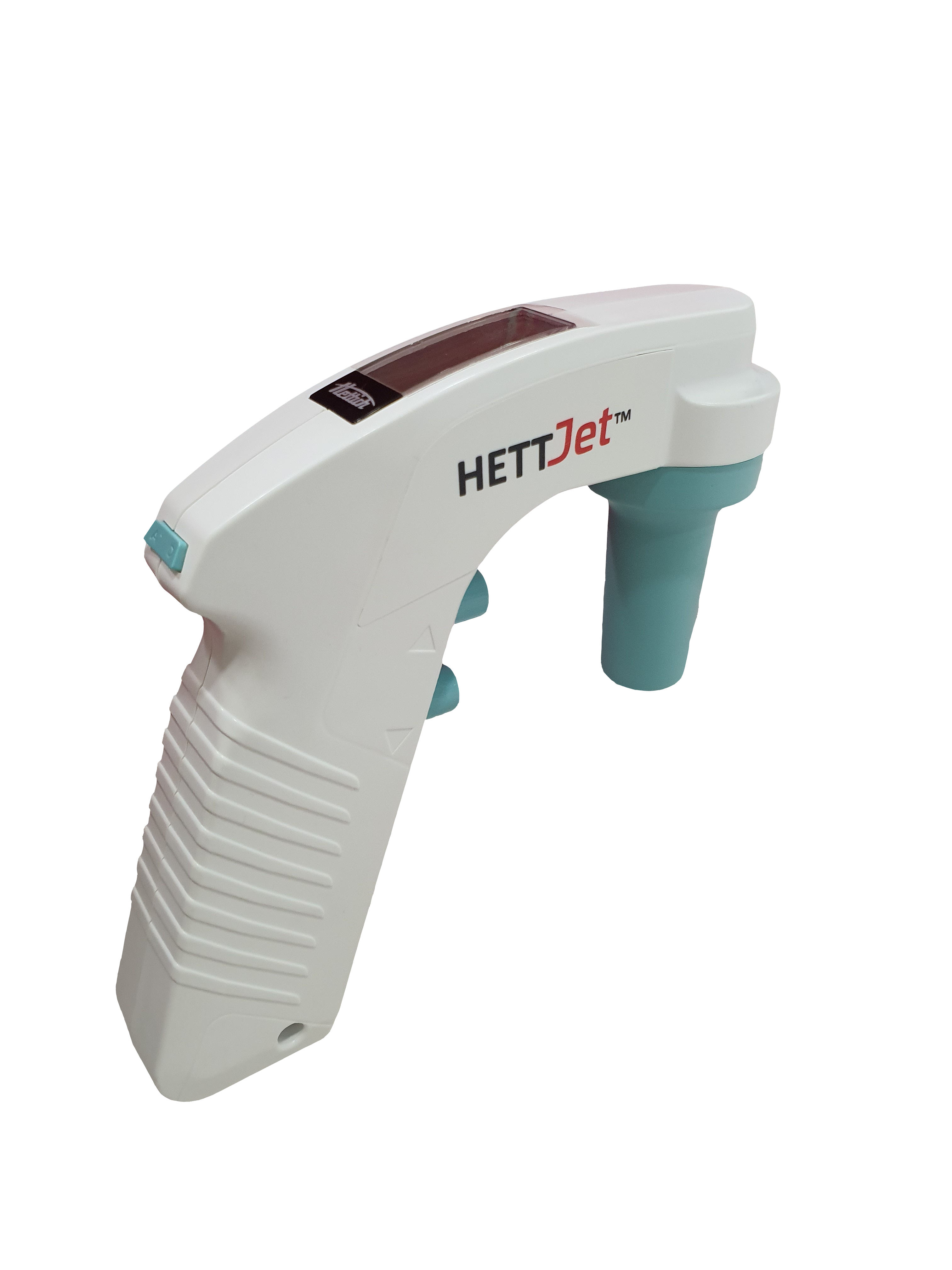
    Pipettors are laboratory devices that carry and dispense fluids into a container. They are sometimes known as pipette controllers, since they dispense fluids with accuracy.

    Pipettors are used in various workspaces, such as hospitals, research laboratories, clinics, and even industrial plants. They prove to be an important device for handling fluids of small amounts, since these cannot be easily moved from one container to another with precision.

    There are ways to use a pipettor. Among the basic steps you should follow when using one are:

    1. Attach a tip to the pipettor, then press the button to the first stop. Doing this allows you to position the pipettor in a way that it can draw the liquid without risking spillage.
    2. Dip the tip approximately 2-3 mm under the solution level, then release the button slowly for the solution to aspire to the tip. Going below than 2-3mm may displace the liquid and reduce the amount of fluid to be drawn into the pipettor.
    3. Slowly take the tip off the liquid. Going fast may also risk spilling and contamination.
    4. During the transfer of the liquid, the tip should touch a wall of the vessel and just be above the level of any liquid that is already contained in the vessel. This position prevents the fluid from spurting out of the pipettor in case of accident or mishandling (e.g., when the user suddenly shakes his hands due to tension).
    5. Hold the button in the second position then remove the tip that is still touching the wall of the vessel. Then release the button to release the liquid. Allow the pipettor to release all of the liquid into the vessel before doing another liquid transfer.

    Share. Facebook Twitter Pinterest LinkedIn Tumblr Email
    Jennifer Mincy

    Related Posts

    Cervicogenic Headache Management Through Targeted Spinal Care

    May 26, 2026

    From Allergies to Odors: Finding the Perfect Reusable Filter Air Purifier

    May 5, 2026

    Does Apple Juice Cause Diarrhea? Yes — Here’s Exactly Why

    April 28, 2026

    Comments are closed.

    Recent Post

    Cervicogenic Headache Management Through Targeted Spinal Care

    May 26, 2026

    Modular Operating Room Design Guide for Hospitals

    May 23, 2026

    How Does Maxillofacial Surgery Work?

    May 23, 2026

    Natural Myostatin Inhibitors: What Actually Works and What Doesn’t

    May 8, 2026

    From Allergies to Odors: Finding the Perfect Reusable Filter Air Purifier

    May 5, 2026
    Categories
    • Acne
    • Acupuncture
    • Addiction Recovery
    • Addiction Treatment
    • Anti-aging
    • Chiropractor
    • Dental
    • Disease
    • ENT Specialist
    • Food
    • Hair Care
    • Health
    • Medical Equipment
    • Pain Control Clinic
    • Pain Management
    • Podiatrist
    • Pregnancy
    • Psychiatrist
    • Sciatica
    • Surgery
    • Uncategorized
    • Weight Loss
    • Wellness
    • Yoga
    Advertisement

    • Contact Us
    • Who We Are
    © 2026 ekohospitals.com. Designed by ekohospitals.com.

    Type above and press Enter to search. Press Esc to cancel.