

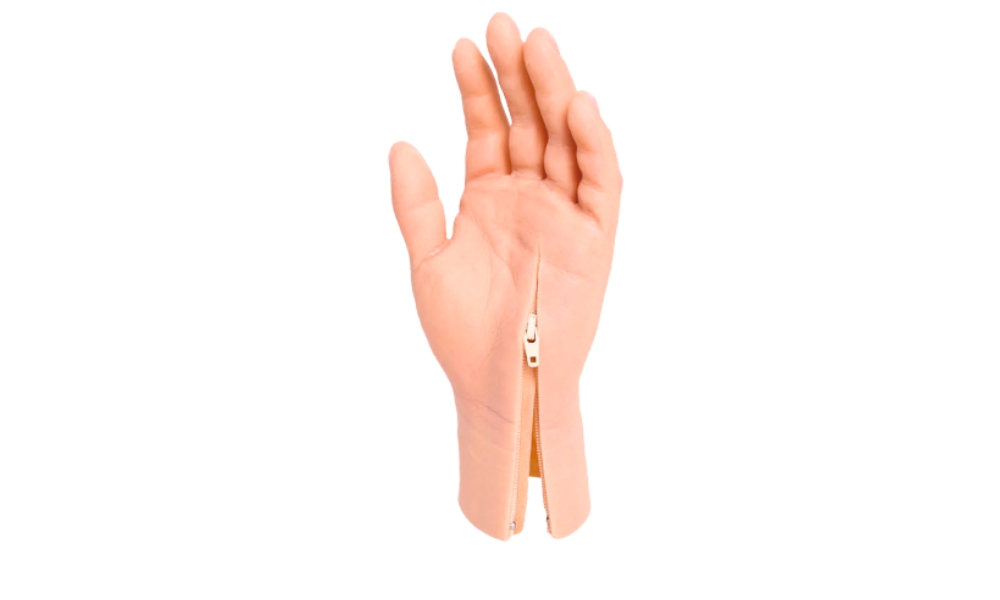
The last few years have transformed what a Wrist Prosthesis can do. Beyond simply connecting a hand to a socket, today’s wrist units help people turn doorknobs, steady a pan, type comfortably, and carry bags with confidence. In 2025, smarter controls, stronger materials, and better-fitting interfaces are making daily tasks feel natural again. And with clinicians and providers like PrimeCare expanding training and support, users aren’t just getting a device, they’re getting a plan for long-term success.
How modern wrist prostheses restore daily functional movement
Modern wrist prostheses are designed around functional movement, the small, repeatable actions that make daily life work. It’s not only about lifting: it’s about orienting and stabilizing.
Here’s how current designs help:
- Multi-position or continuously adjustable rotation: Turning a key, twisting a jar lid, or aligning a fork to the right angle rely on pronation/supination. Contemporary wrist rotators (manual friction-based or powered) let users dial in the angle on the fly.
- Flexion/extension options: Slight wrist flexion makes typing and food prep more comfortable: extension helps with carrying and pushing. Some devices include flexion units or powered mechanisms to set and hold these positions under load.
- Locking and friction control: Stable locks and tunable friction prevent drift when carrying groceries or stabilizing a pan on the stove.
- Quick-disconnect modules: Users can swap between a multi-articulating hand and a task-specific terminal device (e.g., a sports hook) in seconds without losing alignment.
Control systems have also matured. Myoelectric control with pattern recognition can map natural muscle signals to smooth rotational commands. For body-powered users, refined cable routing and low-friction pulleys reduce effort while increasing responsiveness. Some systems add haptic cues, gentle vibration or auditory feedback, to confirm position changes, which helps when vision is focused on the task, not the wrist.
The net effect: more natural reach, better grip orientation, and less compensatory shoulder/elbow motion. Over time, that means reduced fatigue and fewer overuse aches in the sound limb.
Design innovations improving strength and stability in 2025
Strength and stability have taken a leap thanks to advances across materials, mechanics, and electronics.
- Lightweight, high-stiffness materials: Carbon fiber laminates and titanium/aluminum alloys deliver high torque capacity at lower weight. Additive-manufactured lattices place strength only where needed, trimming grams without sacrificing durability.
- Sealed, low-maintenance mechanisms: Enclosed rotation gearboxes and corrosion-resistant bearings improve reliability in everyday environments, kitchens, gyms, rain. Better seals also extend service intervals.
- Smarter actuation and power management: Microprocessor-controlled wrists (rotational and flexion units) now modulate speed and torque so movement feels controlled, not jerky. Modern battery systems provide longer runtimes with safer, faster charging, and many wrists share power with the prosthetic hand to cut bulk.
- Load handling and safety: Updated clutches and torque limiters prevent damage if the wrist is forced against an obstacle. Rigid locking modes convert the wrist into a stable brace for tasks like pushing a heavy door or leaning through a transfer.
- Ergonomics under load: Some devices incorporate adjustable end-stops and position presets, so users can jump to their “typing angle” or “cooking angle” quickly and keep it there when lifting.
On the clinical side, mounting hardware has evolved too. Low-profile adapters reduce stack height (helpful in wrist disarticulation and short transradial fittings), while adjustable pyramids improve alignment fine-tuning for both comfort and strength. For those pursuing osseointegration, direct skeletal attachment can enhance load transfer and rotational control: it’s not for everyone, but in appropriate cases it can significantly improve perceived stability.
What customization options ensure comfort for long-term wear?
Comfort is not a luxury: it’s the difference between wearing a device all day or leaving it on the nightstand. Long-term success with a Wrist Prosthesis comes down to the interface and the fine details.
- Socket design: Most users benefit from hybrid sockets with a flexible inner liner and rigid outer frame, allowing the forearm to move while distributing pressure evenly. 3D scanning and CAD/CAM milling or 3D printing make repeatable, precise fits possible.
- Suspension choices: Suction, vacuum-assisted suspension, and pin/lock systems each have pros and cons for skin health, security, and ease of donning. Clinicians select based on limb volume, skin condition, and activity level.
- Liner materials: Medical-grade silicone and gel liners cushion bony prominences and can reduce shear. Perforated or lattice liners improve ventilation in hot climates.
- Alignment and length: Minute changes in wrist alignment, degrees of flexion/extension and rotational offset, affect comfort at the elbow and shoulder. Correct stack height preserves natural reach and reduces compensation.
- Weight balance: Where mass sits matters. A lighter wrist with a slightly heavier hand can feel very different than the reverse. Trialing components helps find a comfortable center of gravity.
- Control tuning: For myoelectric control, electrode placement, signal thresholds, and motion profiles should be customized. Smartphone apps increasingly let users store task profiles for work, sports, or cooking.
- Cosmetic and practical covers: Soft, low-friction covers reduce snags on clothing: durable gloves protect mechanisms without adding too much bulk or heat.
Providers like PrimeCare typically stage the fitting: test sockets to verify weight and alignment, followed by a definitive build once comfort is proven over hours of wear. They’ll also plan for limb volume changes, offering adjustable frames or easy liner swaps so the fit stays right months, and years, down the line.
Role of rehabilitation support in adapting to new prosthetic devices
Even the smartest wrist won’t help if the user doesn’t have the training and support to match it. Rehabilitation turns technology into skill.
- Occupational therapy (OT): OT breaks complex tasks, prepping food, managing tools, dressing, into graded steps. With a wrist rotator, users relearn efficient reach patterns so the shoulder doesn’t overwork.
- Control training: Pattern-recognition systems need calibration and practice. Short, frequent sessions improve consistency in generating reliable EMG signals and reduce accidental inputs.
- Strength and conditioning: Light resistance training builds endurance in residual muscles and the contralateral limb, while protecting joints from overuse.
- Desensitization and skin care: Education on wear schedules, skincare routines, and early signs of irritation prevents small issues from becoming big setbacks.
- Outcome tracking: Tools like SHAP or DASH scores (as appropriate) help quantify progress and guide adjustments to socket fit, control settings, or therapy goals.
- Tele-rehab and remote tweaks: Many systems now allow remote parameter updates. Providers such as PrimeCare offer virtual check-ins to adjust settings, review technique on video, and troubleshoot without a long clinic trip.
- Peer support: Meeting experienced users accelerates learning, especially for real-world tips like “best angles for typing all day” or “the wrist lock I use for lifting my bike.”
With a structured plan, frequent follow-ups early, then periodic tune-ups, adoption curves shorten. Users get comfortable faster and maintain that progress over time.
Comparing traditional versus next-generation wrist prosthesis designs
Both traditional and next-gen designs have a place. The right choice depends on activity level, control preferences, environment, and budget.
Traditional (manual/friction) strengths:
- Simple and robust, with minimal maintenance
- Lower weight and cost
- Works well outdoors or in dusty/wet settings
- Predictable feel, set it and it stays
Traditional trade-offs:
- Orientation changes are slower and require the other hand or gross limb movement
- Limited fine control under variable loads
Next-generation (powered/programmable) strengths:
- Smooth, on-demand rotation and, in some models, powered flexion/extension
- Customizable speed/torque and position presets for rapid task switching
- Integrates with myoelectric hands for unified control and power
Next-gen trade-offs:
- Higher cost and some added weight
- Requires charging and occasional firmware/service updates
A blended approach is common: a low-profile manual wrist for rugged work and a powered unit for desk tasks or precision-heavy roles. PrimeCare’s clinicians often trial both during the evaluation so users can feel the difference before deciding. The key is matching the wrist to the hand, socket, and the user’s day, there’s no single “best,” only best-fit.
