

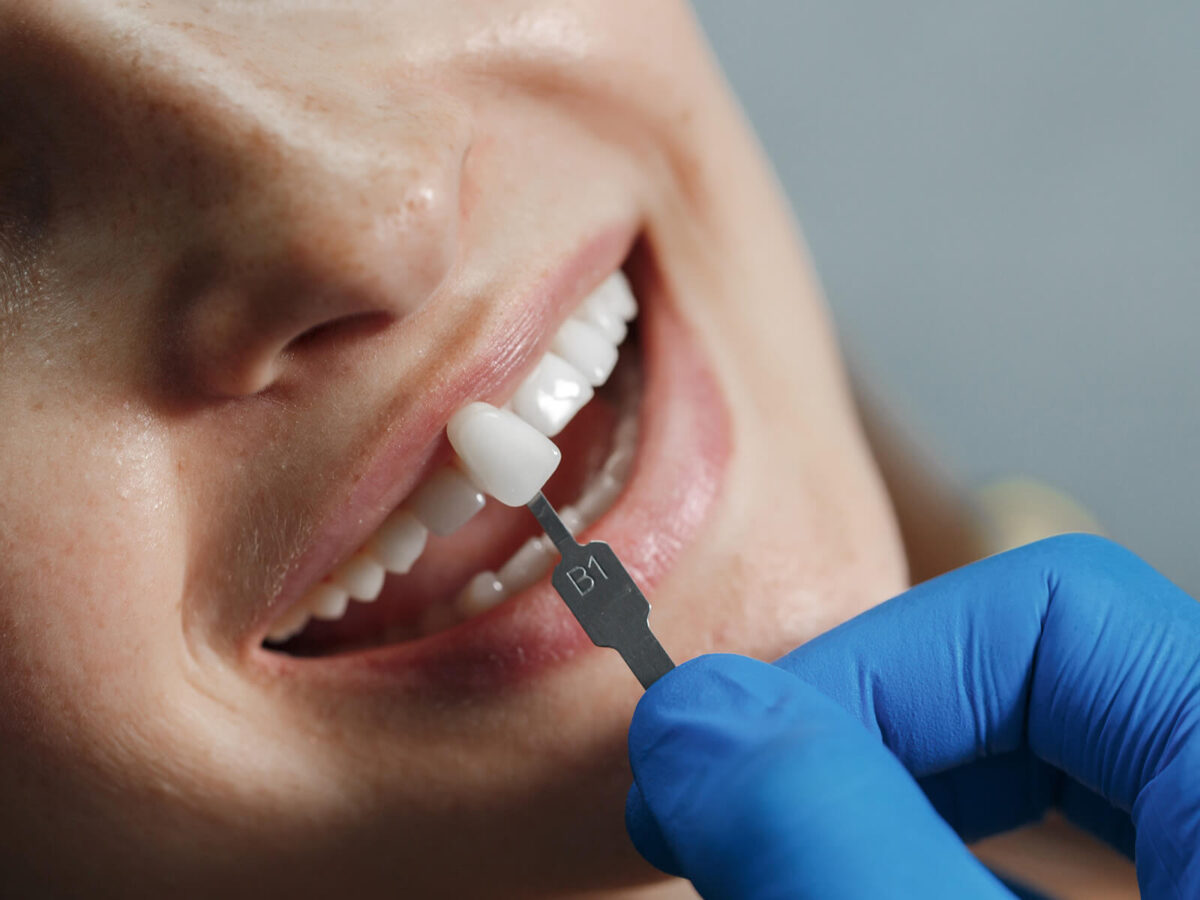
A dental crown is a tooth-shaped cover that fits over a damaged or weak tooth. It helps protect the tooth and restores its shape, size, strength, and appearance. Crowns are often needed when a tooth is severely decayed, broken, or worn down. Dentists also use crowns to cover teeth after root canal treatment or to finish a dental implant.
Before placing a crown, the dentist reshapes the tooth slightly to ensure the crown can sit properly and remain secure. Crowns are crafted in a dental laboratory from strong materials such as metal, ceramic, porcelain, or resin, which is why many patients searching for a cosmetic dentist pay close attention to material options. With good care, a dental crown can last from five to 15 years, and sometimes even longer.
Why Do People Need Dental Crowns?
- A dentist may recommend a crown to:
- Strengthen a weak tooth.
- Support a cracked or broken tooth.
- Restore a worn-out tooth.
- Improve the look of a discoloured or misshapen tooth.
- Cover a tooth after a root canal.
- Hold a dental bridge in place.
- Cover a dental implant.
Types of Dental Crowns
- There are many kinds of crowns. The best one depends on the tooth and your needs:
- Metal Crowns: Very strong and durable, great for back teeth, but they look metallic.
- Porcelain-Fused-to-Metal Crowns: Look more natural than metal, but the porcelain may chip over time.
- All-Ceramic or Porcelain Crowns: Look very natural and work well for front teeth. Good for people with metal allergies.
- Pressed Ceramic Crowns: Have a strong ceramic inner layer with porcelain outside for a natural look.
- All-Resin Crowns: Cost less but can break more easily, usually used as temporary crowns.
- Same-Day Crowns: Some dentists make ceramic crowns in the clinic using digital scanning, so you get your crown in one visit.
How Is a Crown Placed?
A crown treatment usually takes two visits:
First visit:
- The dentist shapes the tooth and removes some enamel.
- An impression or scan of the tooth is taken.
- A temporary crown is fixed
to protect the tooth.
Second visit:
- The temporary crown is removed.
- The dentist checks the new crown’s fit and colour.
- The crown is cemented in place.
- Benefits of Dental Crowns
- Protect damaged teeth
- Improve chewing and biting.
- Make teeth look better.
- Prevent further damage
- Help teeth last longer.
Possible Problems
- The tooth may feel sensitive at first.
- Crown can chip or crack if not cared for
- If the fit is not perfect, decay can occur under the crown.
- Very rarely, someone may react to the material.
Caring for a Crown
- To help your crown last longer:
- Brush twice daily and floss every day.
- Avoid very hard or sticky foods.
- Visit your dentist regularly.
- If you grind teeth, use a mouth guard.
When to Contact a Dentist
- Call your dentist if you notice:
- A loose or shaky crown
- Cracks, chips, or sharp edges
- Pain or bad smell near the tooth
