

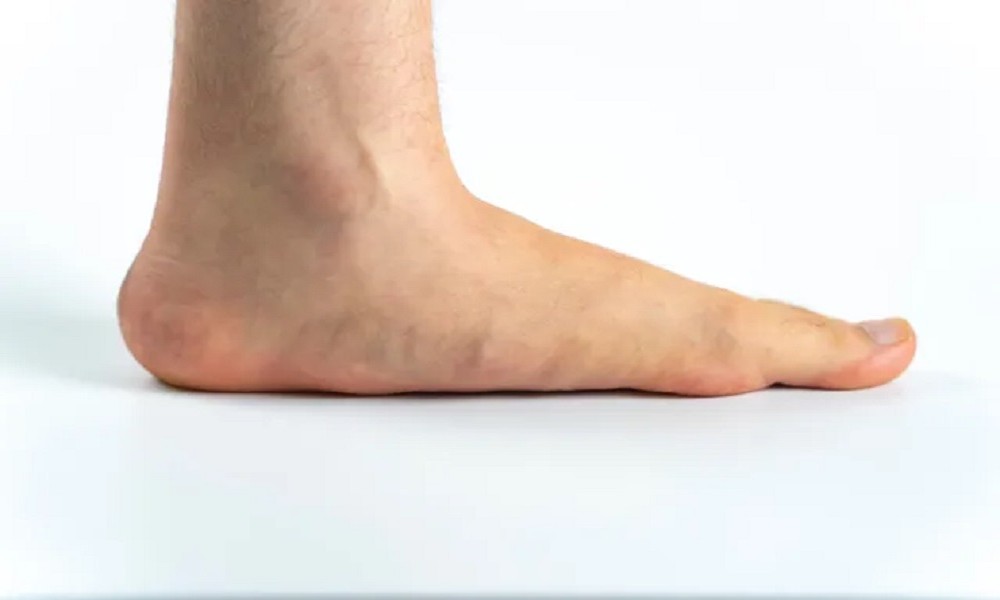
If you have flat feet or overpronation, you probably notice that your feet (and maybe even your knees or back) hurt a lot faster than you thought they would. It’s not just normal tiredness, your foot alignment is a big part of it.
Many people usually ignore the initial symptoms, such as tired feet or uneasy feet, assuming they’re nothing to worry about. We consider it normal, but usually, with time, these small issues can lead to more pain as well as movement problems. The way your feet function affects your overall posture and balance more than you might expect. Even simple daily activities like walking or standing can become uncomfortable without proper support. Pinpointing the underlying issue is always the initial move when seeking a proper fix.
Fortunately, the right ankle support, a brace or an ankle binder, for instance, can significantly improve both comfort and stability. Let’s simplify things by breaking it down.
What Are Overpronation and Flat Feet?
If you have flat feet, it means that your arches are low or collapsed, so your whole foot touches the ground while standing. In contrast, overpronation is related to how the body moves. When you walk or stand, your foot rolls too far inward.
These two things often happen at the same time. When your arches don’t give you enough support, your foot rolls inward more than it should, which puts more stress on your knees, ankles, and even hips.
Why This Could Be a Problem
Your whole body feels it when your feet are out of alignment. Such issues can lead to:
- Tired feet and pain in the arch
- Ankle instability or twisting a lot
- Pain in the hips and knees
- Strain in the lower back
This happens because your muscles and ligaments are working extra hard to make up for the lack of support.
Where Ankle Support Comes In
Ankle braces and ankle binders don’t fix flat feet, but they do help you control how your foot and ankle move.
This is how it works:
- Keeps your ankle from moving around too much
- Lessens too much rolling inward (overpronation)
- Helps ligaments that are under stress
- Makes it easier to walk or stand straight
Taping or bracing that provides support is a common way to treat the symptoms of overpronation.
Do you really need support for your ankles?
If you have any of the following problems, you might need ankle support:
- Your ankles feel weak or wobbly.
- While you walk, you can feel your feet rolling inward.
- You stand or walk for a longer duration.
- You have pain in your feet or ankles that comes back.
If your symptoms aren’t too bad, good shoes or insoles might be enough to help. But if your ankles feel like they’re going to give in, support gear can really help.
What is better: ankle binders or insoles?
People get confused here. Both are helpful, but in different ways.
Ankle Brace / Binder:
- Controls how the ankle moves
- Gives stability from the outside
- Great for long hours of standing or moving around
Insoles and orthotics:
- Support your arch directly
- Better align your feet
- Less strain on flat feet
If your condition is moderate to severe, most experts say you should use both. Insoles fix the arch support, and ankle binders keep the foot from moving.
Orthotics, in particular, are very popular for supporting arches and fixing overpronation. This improves posture and puts less stress on joints.
When You Should Definitely Think About It
You should really think about getting ankle support if:
- You stand on your feet for long periods of time at work.
- You walk or work out a lot.
- You’ve hurt your ankle before.
- The inside of your shoes wears out unevenly.
Overpronation can show up in even small ways, like shoes that wear out unevenly.
How to Pick the Right Ankle Support
Remember that not all ankle supports are the same:
- If you wear it all day, choose a material that breathes.
- For comfort, pick adjustable compression.
- Look for support that is firm but not too stiff.
- Check to see if it fits well in your shoes.
Tight is not comfortable. If it’s too loose, it doesn’t work.
Extra Tips That Work
A few simple habits can make ankle support work better:
- Wear shoes that give you support (stay away from flat shoes that don’t).
- Put in insoles that support your arches.
- Do exercises to make your feet stronger.
- Don’t stand on hard surfaces for too long.
Over time, even small changes can make a big difference in how much stress you feel.
An ankle binder can help, but it’s not a miracle cure.
Overpronation and flat feet are problems with structure or movement that last a long time. Support gear helps with symptoms, but long-term improvement usually comes from:
Final Thoughts
You might want to think again if you’ve been ignoring foot pain or brushing it off as normal. Overpronation and flat feet can change your body alignment without your knowledge.
Taking care of your foot alignment early can prevent bigger issues later. Small, consistent support choices often lead to long-term comfort and better mobility. When in doubt, listening to your body is the best place to start. Ignoring these early signs for too long can make everyday movement more difficult over time. A little support today can go a long way in protecting your comfort and mobility later.
An ankle binder is a cheap and easy way to add stability and ease pain, specially when you spend a lot of time on your feet. It’s always a good idea to get a proper evaluation if things seem more serious, like pain that doesn’t go away, swelling, or instability.
Your feet carry your whole body, so giving them a little extra support can make a big difference.
