

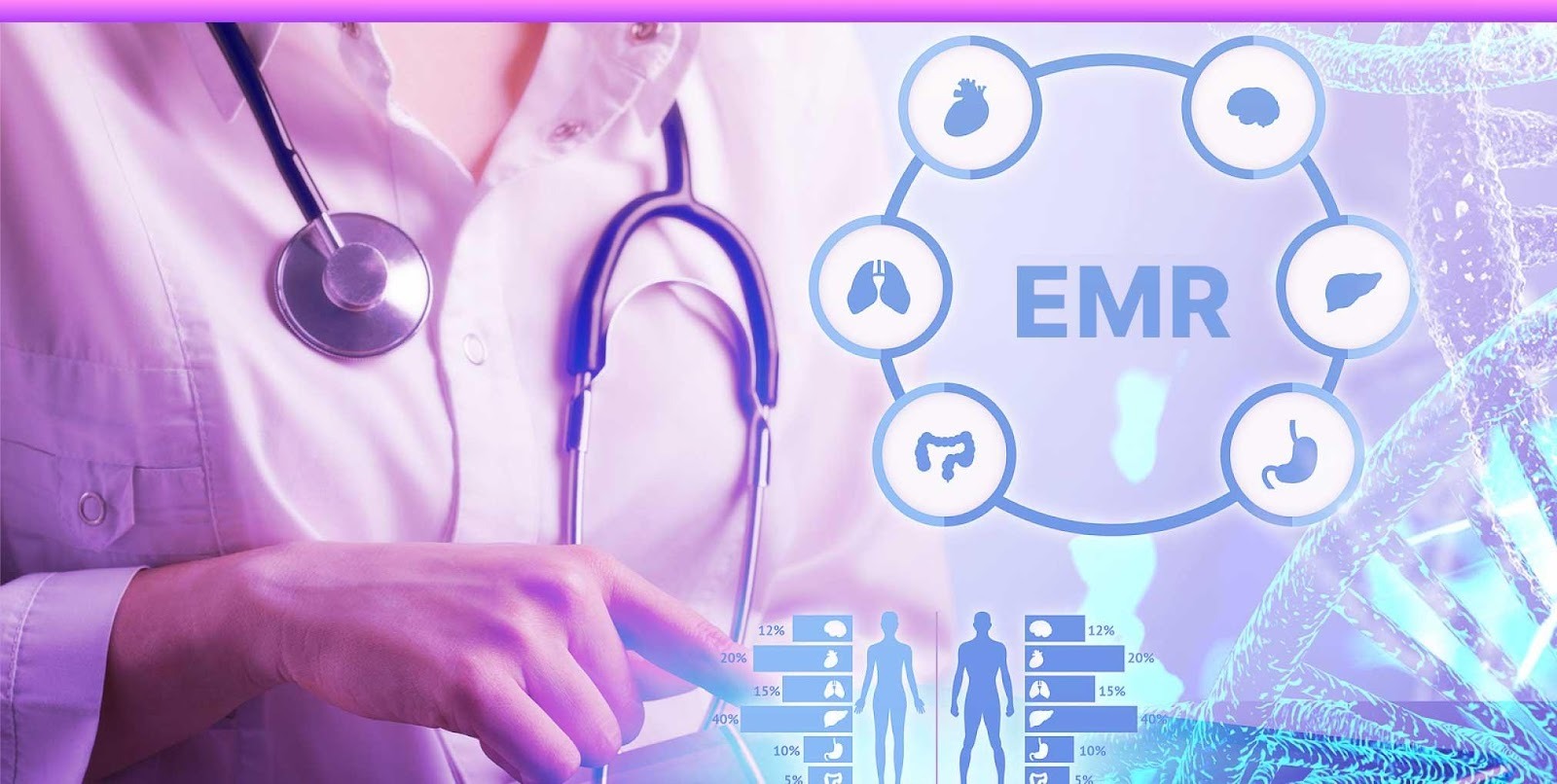
If you do not understand the difference between electronic medical record (EMR) and an electronic health record (EHR), you should stay with us. Most healthcare providers and professionals face confusion because some people use these terms interchangeably.
Although both systems come with similar characteristics, they differ in capabilities and scope of use, which is especially important when it comes to data exchange and interoperability.
You should enter here, you can learn more about healthcare EMRs. We will explore the definitions of EHRs and EMRs, including differences, roles in modern healthcare, which will help you, get reliable information.
What is an Electronic Medical Record (EMR)?

It is vital to remember that an electronic medical record represents a digital version of the paper charts that healthcare providers are using to document patient care. Professionals to manage and store patient information within the single healthcare practice use it.
EMRs typically include treatment plans, medical history, medications, diagnoses and test results, which are stored digitally for fast access and increased overall efficiency.
That way, EMRs will allow healthcare professionals to track patient’s data over time, remind patients of due preventive care, identify trends in health conditions, and manage patient treatments plans and strategies, while adopting new ones as well.
However, the biggest limitation of an EMR is that you can confine it to a single practice or healthcare institution. EMRs do not share patient data automatically with other healthcare specialists and organizations, which is important in case of mental health professionals and areas where privacy is essential and records should stay within the same institution.
On the other hand, with other options this can lead to delayed decision-making and fragmented care due to lack of real-time data. Although you can choose other options such as digital faxing for solving such issues, it means that information from other providers will not integrate into the general record.
Watch this video: https://www.youtube.com/watch?v=zy_OFMsAeJs to learn more about this particular topic.
What is an Electronic Health Record (EHR)?
You should remember that an electronic health record works based on the EMR but with a slight change, because it is specifically created to share it across different health industry settings. With it, you can ensure the data and records automatically move with the patient as they seek additional healthcare provider, it does not matter whether you need a hospital, lab or specialist.
You should remember that EHRs include the same patient data found in the EMRs, but come with more comprehensive picture on the overall health of patient including medication lists, diagnostic tests, treatment plans and patient medical history.
Another important factor is that EHRs are interoperable, meaning you can access them and update by different healthcare providers in different states depending on your needs and requirements. That way, you can ensure more coordinated, patient-centered care, since every doctor will have access to the past and current information.
Advantages of Electronic Medical Records (EMRs)
- Improve Patient Care
One of the biggest advantages of EMRs is the chance to access real-time, accurate patient data. Finally, healthcare providers can instantly retrieve test results, medical history and prior treatments, which will enable timely interventions and faster diagnoses.
This improved access can provide you with more coordinated care, especially for patients that are seeing different providers. EMRs are effective for better clinical decision-making. When you have standardized documentation and up-to-date records, you can reduce the risk of miscommunication or incomplete information.
As a result, legible and transparent notes will minimize errors and ensure the continuity of caregiving. That way, you can ensure increased patient trust and better health outcomes.
- Increased Patient Safety
When it comes to Electronic Medical Records, you should know that it directly affects patient safety by minimizing risks specifically tied to allergic reactions and errors. Built-in alerts will notify providers about potential allergies, drug interaction and duplicate therapies, which will prevent side effects and adverse events before they occur.
Standardized treatment protocols can further reduce inconsistencies in care delivery. EMRs can also offer a longitudinal perspective of patient’s health, meaning it will be much simpler to monitor chronic conditions and flag unusual trends faster, meaning you can ensure proactive, instead of reactive perspective.
- Boost Productivity and Efficiency
Among the biggest advantages of EMRs is the significant boost to workflow efficiency, which will offer you a peace of mind. Finally, you can reduce the reliance on manual charting, paper forms and time-consuming administrative tasks, meaning healthcare teams can focus on patient interactions.
Fast access to automated coding, test results and accurate billing features can streamline daily operations. With better organization and fewer delays after adopting emr interoperability practices, you will notice reduced burnout among staff members, which will increase the overall productivity.
- Better Care Coordination
Another important consideration of EMRs is that they simplify care coordination across external providers and departments. EMRs enable secure, instant data sharing, which will allow everyone involved in patient’s care to stay aligned and updated.
