

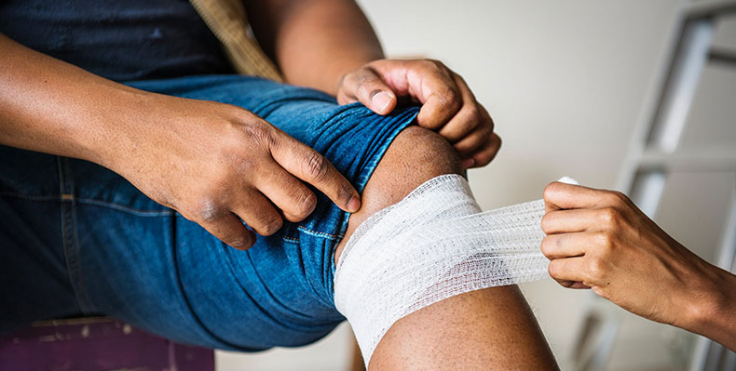
Wound care is essential for preventing infections and promoting proper healing. Whether dealing with a minor cut or a more serious injury, understanding how to manage wounds effectively can make a significant difference in recovery outcomes. This article outlines key strategies for preventing infection and ensuring that wounds heal correctly.
Using Appropriate Dressings and Treatments
Choosing the right dressing and treatment for your wound is vital in preventing infections. Dressings should be sterile and applied with clean hands or instruments. It’s also important to change dressings regularly and immediately if they become wet or dirty. Some modern treatments, like those involving advanced technologies similar to NASA red light therapy, offer additional benefits by promoting healing and reducing inflammation. While not all wounds will require such advanced treatments, exploring these options can provide enhanced protection and support for faster recovery. Always ensure that the dressing is suitable for the type and location of the wound to maximize its effectiveness.
Proper Cleaning and Sanitization
One of the most critical steps in preventing infection is ensuring that wounds are cleaned and sanitized properly. Begin by washing your hands thoroughly before touching the wound. Use clean, running water to rinse the wound, and apply a mild soap to remove any debris or bacteria. Harsh chemicals, such as hydrogen peroxide or alcohol, should not be used directly on the wound since they might cause tissue damage and hinder healing. Instead, opt for a gentle, antibacterial solution or saline rinse. Keeping the wound clean reduces the risk of bacterial contamination and supports a healthier healing environment.
Monitoring for Signs of Infection
Regularly monitoring your wound for signs of infection is essential for early intervention. Keep an eye out for symptoms like increased redness, swelling, warmth, and drainage from the incision. An unpleasant odor or increased pain may also suggest an infection. If you detect any of these symptoms, get medical attention immediately. Early detection and treatment of infections can prevent complications and ensure that your wound heals properly. Additionally, maintaining a healthy diet and staying hydrated can support your immune system and enhance your body’s ability to fight off infections.
Following Medical Advice and Guidelines
When dealing with more serious wounds or those that do not improve with home care, consulting a healthcare professional is essential. A doctor or wound care specialist can provide specific instructions and may prescribe antibiotics or other treatments to address potential infections. Adhering to their advice and guidelines is crucial for effective wound management and prevention of complications. Furthermore, if you have underlying health conditions such as diabetes or compromised immune function, managing these conditions carefully will aid in wound healing and infection prevention.
Preventing infection in wounds involves careful cleaning, using appropriate dressings, monitoring for signs of infection, and following medical advice. By implementing these strategies, you can significantly reduce the risk of infection and promote faster, more effective healing. Taking proactive steps in wound care not only enhances recovery but also ensures overall health and well-being.
