

The human face contains a complex structure of bones, muscles, nerves, and joints that work together every second. Eating, speaking, breathing, smiling, and even blinking depend on proper coordination within this delicate system. When injuries, deformities, infections, or jaw-related conditions affect the facial area, doctors may recommend maxillofacial surgery to restore function and improve overall health.
Maxillofacial surgery focuses on treating conditions involving the jaw, face, mouth, and neck. Over the years, this surgical field has evolved through advanced imaging technology, precision-guided planning, and specialized Maxillofacial Surgery Instruments that help surgeons perform detailed procedures with greater control and accuracy during complex operations.
Key Takeaways
- Maxillofacial surgery treats conditions affecting the face, jaw, mouth, and neck
- Surgeons use detailed imaging and planning before most procedures
- Recovery time depends on the complexity of the surgery
- Proper aftercare supports healing and reduces complications
- Modern surgical methods focus on precision and functional improvement
What Is Maxillofacial Surgery?
Maxillofacial surgery is a specialized branch of surgery that focuses on correcting problems involving facial structures and oral function. These procedures may involve the jawbones, facial bones, teeth, soft tissues, or surrounding nerves.
Doctors often recommend surgery for conditions such as:
- Jaw misalignment
- Facial trauma
- Birth abnormalities
- Severe infections
- Impacted teeth
- Facial fractures
- Sleep apnea complications
- Tumors or cysts in the jaw area
Some procedures improve medical function, while others help restore appearance after injuries or structural damage.
How Surgeons Prepare for the Procedure
Planning plays a major role in maxillofacial surgery. Before the operation, surgeons usually perform detailed examinations using X-rays, CT scans, or digital facial imaging.
These scans help doctors understand the exact position of bones, nerves, and tissues before surgery begins. In many cases, surgeons create customized treatment plans based on the patient’s facial structure and medical condition.
Patients may also undergo blood tests, dental evaluations, and physical assessments to ensure they are healthy enough for surgery.
Doctors usually explain:
- The surgical process
- Expected recovery time
- Possible risks
- Dietary restrictions
- Post-surgical care instructions
Clear preparation often helps patients feel more confident before the procedure.
What Happens during Maxillofacial Surgery?
The procedure itself depends on the condition being treated. Some surgeries involve small corrections, while others require major reconstruction of facial bones or jaw alignment.
During surgery, doctors work carefully around sensitive nerves, muscles, and blood vessels. Surgeons may reposition bones, remove damaged tissue, repair fractures, or correct jaw placement to improve function and stability.
Many procedures take place under general anesthesia, especially when surgery involves deeper facial structures or bone adjustments.
Modern surgical techniques now allow doctors to perform many procedures with smaller incisions and improved precision. This often helps reduce swelling, discomfort, and recovery time compared to older surgical methods.
Common Reasons People Need Maxillofacial Surgery
Different medical conditions may require surgical treatment involving the facial region.
Jaw Alignment Problems
Some people experience bite issues or jaw imbalance that affects speaking, chewing, or breathing. Corrective jaw surgery can help improve alignment and facial balance.
Facial Injuries
Accidents, sports injuries, or falls may cause fractures involving the jaw, cheekbones, or eye sockets. Surgery often helps restore both appearance and function after trauma.
Wisdom Tooth Complications
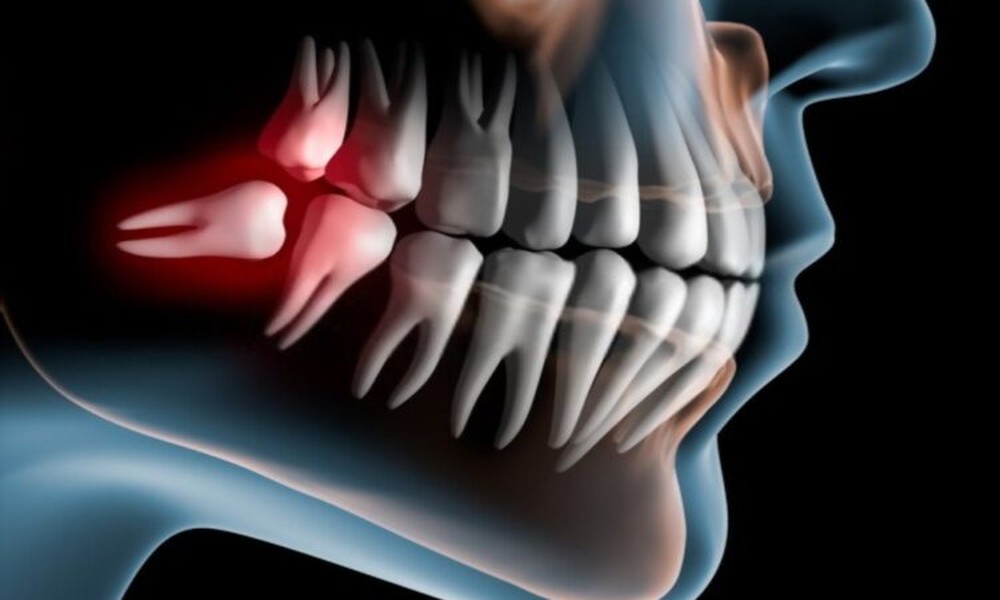
Impacted wisdom teeth sometimes become trapped beneath the gums or grow at unhealthy angles. Surgical removal may prevent infection and surrounding damage.
Sleep Apnea Treatment
Certain jaw structures can restrict airflow during sleep. In some cases, surgery helps improve airway function and breathing patterns.
Recovery after Maxillofacial Surgery
Healing time depends on the complexity of the procedure and the patient’s overall health. Minor surgeries may require only a few days of recovery, while major jaw reconstruction procedures may take several weeks.
Common recovery symptoms include:
- Swelling
- Bruising
- Mild bleeding
- Temporary numbness
- Jaw stiffness
- Discomfort while eating
Doctors often recommend soft foods, hydration, and limited physical activity during early healing stages.
Patients should also attend follow-up appointments so surgeons can monitor recovery progress and address any complications quickly.
Why Aftercare Matters
Post-surgical care plays an important role in healing outcomes. Patients who follow recovery instructions carefully often experience smoother healing and fewer complications.
Healthcare providers may recommend:
- Keeping the surgical area clean
- Taking medications as prescribed
- Avoiding smoking and alcohol
- Sleeping with the head elevated
- Following dietary restrictions
- Limiting heavy physical activity
Proper oral hygiene also becomes especially important after procedures involving the mouth or jaw.
Advances in Modern Maxillofacial Surgery
Technology continues improving how surgeons diagnose and treat facial conditions. Digital surgical planning, 3D imaging, and precision-guided techniques now help doctors perform procedures more accurately than before.
Researchers also continue exploring better materials for facial reconstruction and improved recovery methods that reduce discomfort and healing time.
As medical technology advances, patients now have access to safer procedures and more personalized treatment approaches.
Final Thoughts
Maxillofacial surgery plays an important role in treating conditions that affect facial structure, jaw function, and oral health. Whether the goal involves correcting injuries, improving breathing, or restoring facial balance, modern surgical techniques continue to help patients recover more safely and comfortably.
Understanding how these procedures work can help reduce fear and uncertainty before treatment. With proper planning, skilled surgical care, and consistent recovery support, many patients successfully regain both function and confidence after maxillofacial surgery.
